Rooting for the Wrong One: Why TV's Messiest Characters Are Stealing the Whole Show
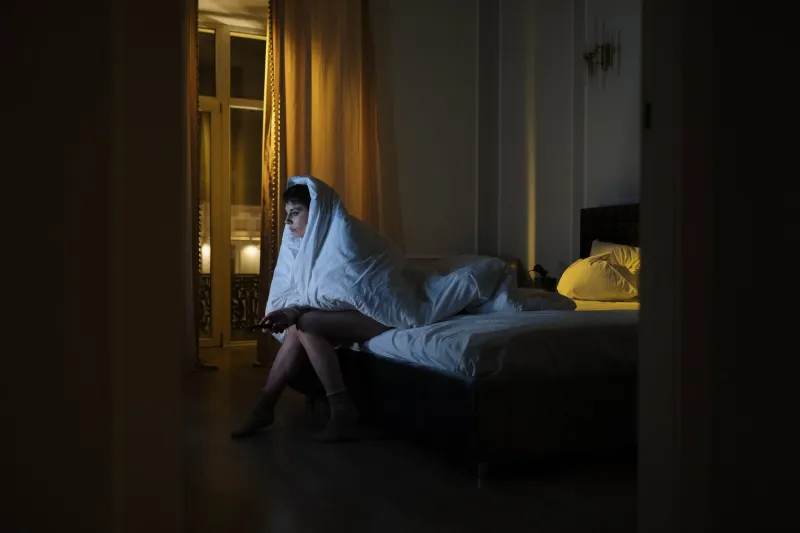
Let's be honest. You've spent at least one weekend binge-watching a show where the main character lies, manipulates, self-destructs, and occasionally does something genuinely terrible — and you still couldn't stop watching. Maybe you even found yourself hoping they'd get away with it.
Welcome to the golden age of the chaotic good antihero, and honestly? It's the most exciting thing happening in streaming right now.
The Clean Hero Is Out. The Complicated One Is In.
For decades, television gave us protagonists built on a pretty reliable template: moral, motivated by justice or love, and ultimately redeemable in a way that felt tidy. Think early network procedurals, classic sitcom leads, the dependable good guy who always made the right call by the final act.
Streaming blew all of that up.
When Apple TV+ dropped Severance, audiences weren't just hooked on the dystopian workplace mystery — they were captivated by Mark Scout, a man who voluntarily erased his own grief and then slowly, painfully started questioning everything about the choice. He's not heroic. He's broken. And that brokenness is the whole point. Similarly, Netflix's Beef gave us Danny and Amy, two people who let a minor road rage incident detonate their entire lives. Neither one is right. Both are completely understandable. That tension is what made the show impossible to put down.
These aren't accidents of storytelling. They're deliberate creative choices responding to what audiences have been quietly demanding for years.
The Psychology Behind the Pull
So why do we root for characters who do objectively questionable things? It turns out there's some real science behind the guilty pleasure.
Researchers in media psychology call it "narrative transportation" — the deeper you're pulled into a story, the more you adopt the perspective of whoever's guiding you through it. When a show gives you intimate access to a character's internal logic, you start rationalizing their choices alongside them. You're not endorsing the behavior; you're experiencing the emotional architecture that produced it.
There's also something called "moral disengagement" at play. Skilled writers build sympathy through backstory, context, and vulnerability before the character does anything truly problematic. By the time the bad decision arrives, you're already invested. You've already decided this person matters.
Shows like The Bear, Abbott Elementary (which plays with this more subtly), and even the chaotic energy of Only Murders in the Building understand this instinctively. They give you a character's wound before they show you the weapon.
Viewer Fatigue Is Real — And the Industry Knows It
There's a cultural dimension here too. After years of prestige TV trauma, pandemic-era doom-scrolling, and a general sense that the world is wildly unpredictable, audiences have developed a kind of fatigue with characters who always know the right thing to do.
Perfect heroes feel dishonest right now. A protagonist who makes a selfish, impulsive, or morally murky decision and then has to live inside the consequences? That feels like Tuesday.
Streaming platforms have picked up on this hard. HBO, in particular, has built its modern identity around this kind of storytelling — from Succession's spectacularly awful Roy family to the slow-burn ethical collapse of The White Lotus. Hulu's The Bear gave us a chef whose intensity borders on abuse and whose talent is undeniable. FX on Hulu's Fleishman Is in Trouble asked you to hold complicated, contradictory feelings about virtually every character simultaneously.
The message from creators is clear: we're not here to give you someone to admire. We're here to give you someone to understand.
The Moral Gray Zone as Storytelling Engine
What separates a well-crafted antihero from just a bad character written badly? Intentionality. The best morally complex protagonists aren't chaotic for shock value — their contradictions are the engine of the story.
Take Beef's Danny Cho. His rage isn't random. It's the accumulated pressure of immigrant family expectations, financial failure, and a desperate need to feel like he matters. Every terrible decision he makes is traceable back to something painfully human. That's the craft. The writers aren't asking you to excuse him. They're asking you to recognize him.
The same applies to characters across the streaming landscape. When Severance's Helly R. turns defiant and destructive inside Lumon Industries, it's not chaos — it's the only rational response to an irrational system. The show frames her rebellion as the most logical thing happening on screen, even when it creates danger.
What This Trend Says About Us
Here's the uncomfortable read: the explosion of chaotic good antiheroes on streaming might be less about storytelling evolution and more about audience self-reflection.
We live in a moment where institutions feel unreliable, traditional success stories feel rigged, and "doing the right thing" doesn't always produce good outcomes. Characters who operate outside the rules — who improvise, who break things, who choose themselves even when it costs them — mirror a kind of cultural impatience that a lot of viewers feel but can't always articulate.
Watching someone else blow it up, even fictionally, is cathartic. It's not a prescription. It's a pressure valve.
The Streamers Who Get It Best
Not every platform executes this equally. HBO and its streaming arm Max consistently deliver the most nuanced versions of this character type — morally complex but emotionally coherent. Apple TV+ has been swinging big with shows that trust audiences to sit with ambiguity. Netflix, when it's firing on all cylinders (Beef, Squid Game, Ozark), understands that the antihero format travels globally because human contradiction is universal.
Where things get wobbly is when platforms mistake "edgy" for "complex." A character who's just cruel without context isn't an antihero. They're a red flag in a protagonist costume. The best shows in this space know the difference.
Stream Bold, Watch Everything
At KyngDVB, we'll always push you toward the shows that make you feel something uncomfortable — because that discomfort is usually where the best television lives. The chaotic good antihero isn't going anywhere. If anything, as streaming competition intensifies and creators push further into uncharted emotional territory, we're going to see this character type evolve into something even more surprising.
So yeah, root for the wrong one sometimes. Just maybe think about why you're doing it.
That's the whole point.